
Emotional Intelligence
{{ clusterItems.length }} itemsRead emotions accurately — yours and other people's — then decide what to do with what you notice.
Quick check from this zone
1 minA teammate's voice tightens halfway through your update. What registers first?
{{ quickHookData.insight }}
No updates in this zone yet. Check back soon.
{{ news.title }}
{{ news.tag }}{{ news.summary }}
Found something useful? Share this portal with someone who might benefit.
I always assumed I was the calm one. The check showed me I go quiet instead — and my team was reading the silence as disapproval.
Research foundations
The tools in this zone are grounded in published, peer-reviewed research. These are the independent scholars behind the frameworks — referenced, not affiliated.

Daniel Goleman
Psychologist & science journalist
Emotional Intelligence (1995) carried the five-component model — self-awareness, self-regulation, motivation, empathy, social skill — into mainstream workplace thinking. It is the framework this zone is organized around.
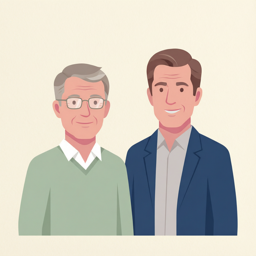
Peter Salovey & John D. Mayer
Psychologists — Yale University and the University of New Hampshire
Their 1990 article gave emotional intelligence its first academic definition: the ability to monitor, discriminate among, and use emotional information to guide thinking and action.
Portraits are stylized illustrations. These scholars are independent researchers whose published work informs these tools — they are not affiliated with AssessWiki.
Clear methods. Honest limits. Sources you can follow.
Every entry on AssessWiki follows the same structure: what it measures, who it is for, what evidence supports it, what it cannot tell you, and what to do next.
Related topics
All assessments in this cluster
6 free assessments — no sign-up, not a diagnosis. Open any entry to see what it measures, its evidence, and what it cannot tell you.